

Designing with Natural Light for Performance and Efficiency
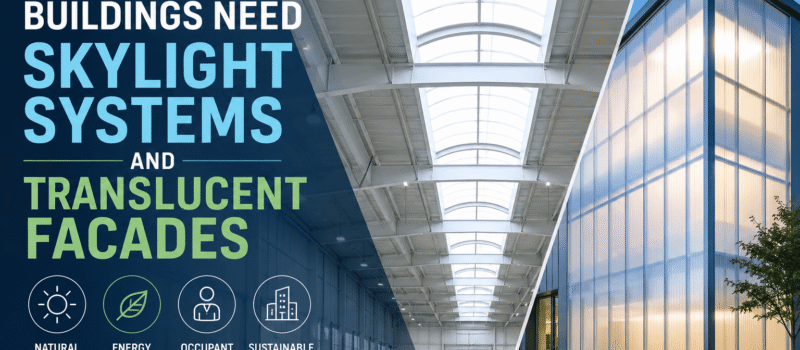
Natural light has always been a fundamental element in architecture, but today it plays a far more strategic role. With rising energy costs, stricter environmental regulations, and a growing focus on occupant well-being, architects and developers are rethinking how buildings interact with sunlight. One solution gaining significant attention is the sunlight wall, a system designed to bring controlled, high-quality daylight deep into interior spaces.
Unlike traditional glazing, sunlight walls are engineered not just to let light in, but to optimize how that light behaves. They reduce glare, improve thermal performance, and create comfortable, evenly lit environments. This makes them a powerful tool within the broader discipline of architectural daylighting.
This article explores what sunlight walls are, how they work, their benefits, materials, and why they are becoming essential in modern industrial and commercial architecture.
What Is a Sunlight Wall
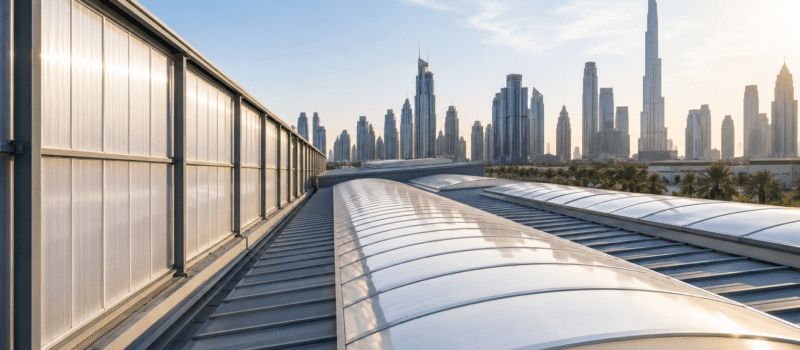
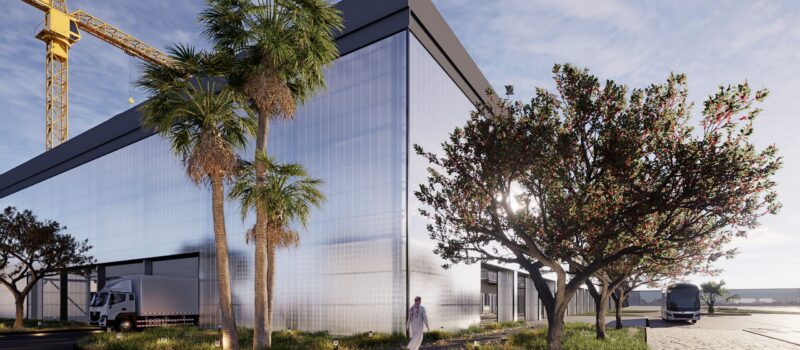
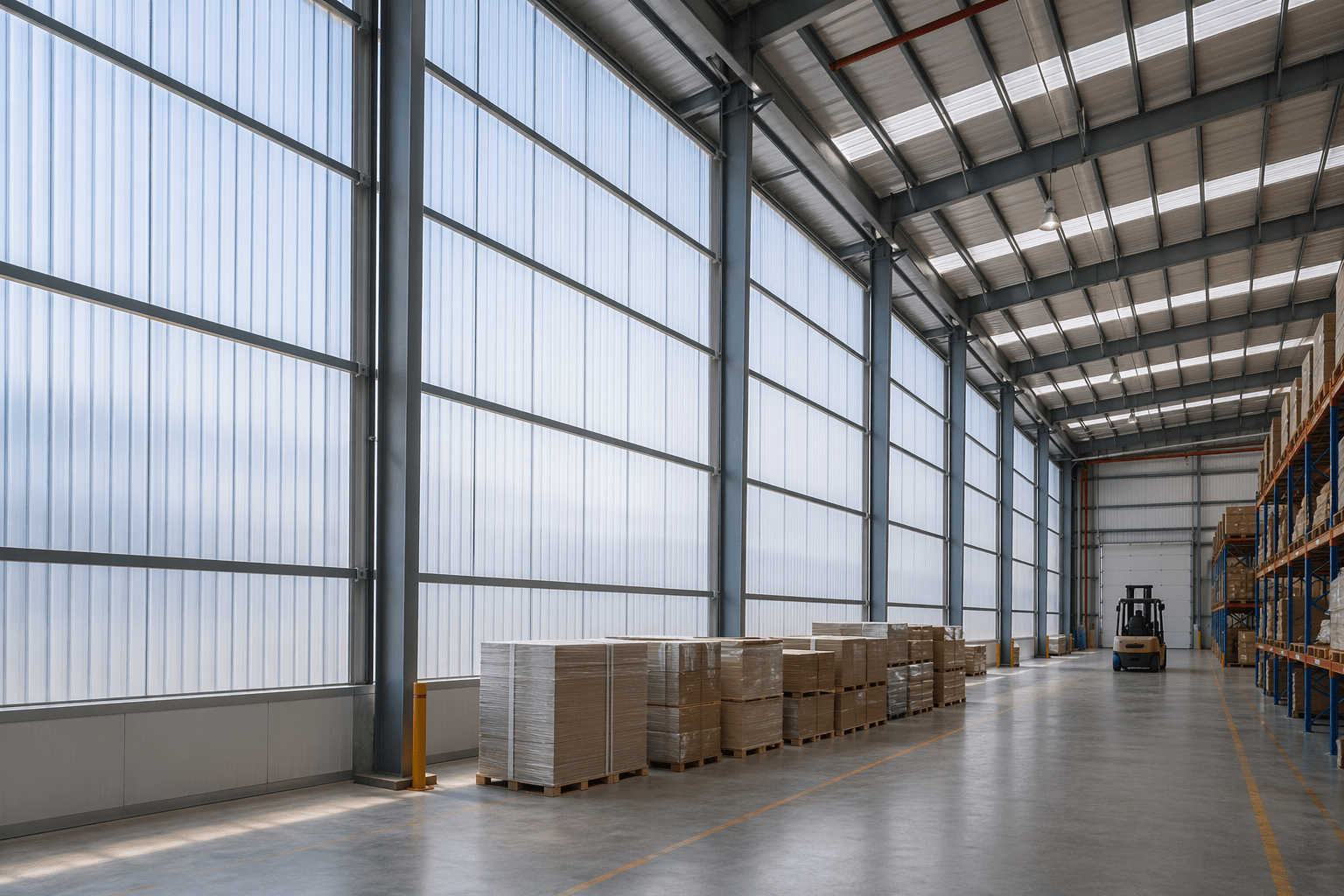
A sunlight wall is a vertical building element made from translucent materials that allow natural light to pass through while diffusing it evenly across interior spaces. Instead of acting as a clear opening like traditional glass, it functions as a light distribution system.
The goal is simple but powerful. Capture sunlight, soften it, and spread it consistently without creating glare or excessive heat.
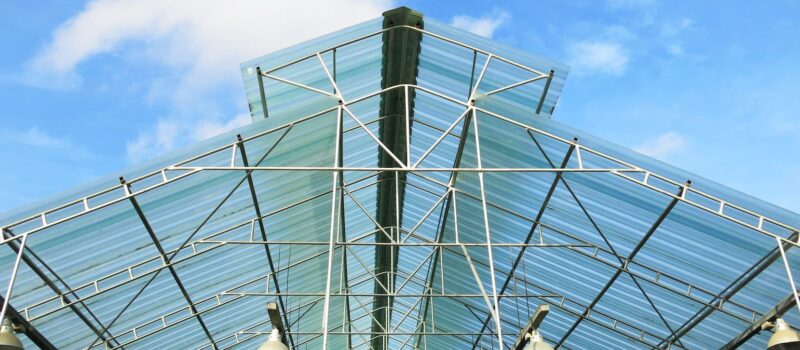
Sunlight walls are typically constructed using advanced materials such as multiwall polycarbonate, GRP panels, or composite systems. These materials are designed to balance light transmission with insulation and durability.
Core Features of a Sunlight Wall
Sunlight walls stand out because of their unique combination of properties:
They diffuse light instead of allowing direct penetration
They provide consistent illumination throughout the day
They reduce glare and harsh shadows
They offer strong thermal insulation
They are lightweight yet structurally robust
They are resistant to impact and weather conditions
This combination makes them particularly suitable for environments where both performance and comfort are critical.
Understanding Architectural Daylighting
What Is Daylighting in Architecture
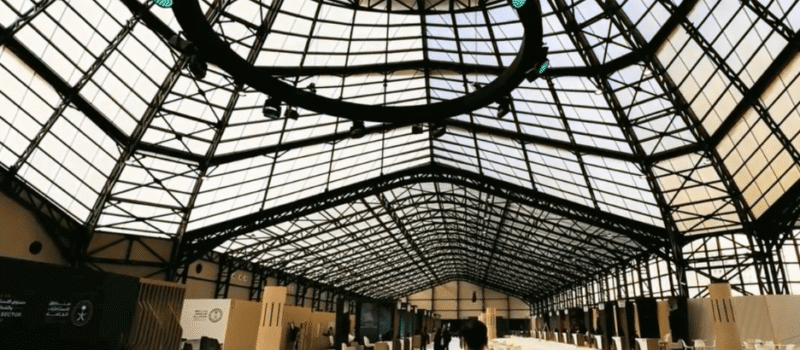
Architectural daylighting is the practice of using natural light as the primary source of illumination within a building. It involves careful design decisions related to building orientation, materials, façade systems, and interior layouts.
The objective is to reduce reliance on artificial lighting while maintaining visual comfort and energy efficiency.
Daylighting is not just about adding windows. It is about controlling how light enters, moves, and interacts with space.
Why Traditional Glazing Falls Short
Conventional glass façades and windows have limitations when it comes to daylighting performance.
They allow direct sunlight to enter, which can lead to glare and overheating
They create uneven lighting with bright spots and dark zones
They often require additional shading systems
They can increase cooling loads due to solar heat gain
This is where sunlight walls offer a clear advantage. Instead of letting sunlight in uncontrolled, they transform it into usable, balanced illumination.
How Sunlight Walls Work
Sunlight walls rely on light diffusion technology. When sunlight hits the surface of the panel, it is scattered in multiple directions rather than passing straight through.
This process creates a soft, uniform light that spreads across the interior space.
Key Mechanisms
Light transmission allows natural light to enter the building envelope
Diffusion distributes light evenly across surfaces
Insulation reduces heat transfer between interior and exterior
UV filtering protects occupants and materials
The result is a space that feels naturally bright without the discomfort associated with direct sunlight.
Benefits of Sunlight Walls
Enhanced Light Quality
One of the most important advantages of sunlight walls is the quality of light they provide. Instead of harsh beams or glare, they create a soft and consistent illumination.
This is particularly valuable in large spaces such as warehouses, production facilities, and sports halls where uniform lighting is essential.
Energy Efficiency
Reducing dependence on artificial lighting is one of the primary goals of daylighting design. Sunlight walls allow buildings to operate with minimal artificial lighting during daylight hours.
This leads to:
Lower electricity consumption
Reduced operational costs
Improved sustainability performance
In industrial environments, where lighting is often used continuously, the impact can be significant.
Thermal Performance
Sunlight walls are designed with insulating properties that help regulate indoor temperatures.
They reduce heat loss during colder months
They limit heat gain during warmer periods
They contribute to overall energy efficiency
This balance is essential for maintaining comfortable indoor conditions without increasing HVAC demand.
Improved Occupant Well Bein
Access to natural light has a direct impact on human health and productivity.
Studies show that well-lit environments can:
Improve mood and concentration
Reduce fatigue and eye strain
Enhance overall comfort
For workplaces, this translates into better performance and satisfaction.
Durability and Low Maintenance
Modern sunlight wall systems are built to withstand demanding conditions.
They are resistant to impact, making them suitable for industrial use
They perform well in harsh weather environments
They require minimal maintenance compared to traditional glazing
This durability ensures long-term performance and reliability.
Materials Used in Sunlight Wall Systems
The effectiveness of a sunlight wall depends heavily on the materials used in its construction.
Polycarbonate Panels
Polycarbonate is one of the most widely used materials in daylighting systems.
It offers excellent light transmission and diffusion
It is highly impact-resistant
It is lightweight and easy to install
Multiwall polycarbonate structures also provide strong thermal insulation.
GRP Panels
Glass Reinforced Plastic is another common material, especially in industrial settings.
It is strong and corrosion-resistant
It performs well in aggressive environments
It provides consistent light diffusion
GRP is often used in applications where durability is a top priority.
Advanced Composite Systems
Newer systems combine multiple layers and coatings to enhance performance.
They allow precise control over light transmission levels
They improve insulation and energy efficiency
They extend the lifespan of the system
At Domer Industries, the focus is on developing advanced daylighting solutions that integrate these properties into high-performance architectural systems.
Design Considerations for Sunlight Walls
Designing an effective sunlight wall requires careful planning. It is not just about selecting a material, but about integrating the system into the overall building design.
Orientation
The direction the wall faces has a significant impact on light performance.
South-facing walls capture the most consistent daylight in the northern hemisphere
East and west orientations require additional glare control
North-facing walls provide softer, more diffused light
Light Transmission Levels
Different applications require different levels of light.
High transmission is suitable for industrial and storage spaces
Moderate transmission is better for offices and commercial environments
Choosing the right level ensures optimal comfort and efficiency.
Integration with Building Systems
Sunlight walls must work in harmony with other building elements.
They should integrate seamlessly with steel structures and façades
They must meet insulation and energy performance requirements
They should complement ventilation and shading systems
Proper integration ensures long-term functionality and performance.
Applications of Sunlight Walls
Sunlight walls are versatile and can be used across a wide range of industries.
Industrial Buildings
Factories and warehouses benefit from consistent natural light that improves visibility and reduces energy costs.
Commercial Spaces
Retail environments and offices use sunlight walls to create bright and welcoming interiors.
Sports Facilities
Large indoor spaces such as gyms and arenas require uniform lighting, making sunlight walls an ideal solution.
Agricultural and Storage Facilities
Controlled daylight helps maintain stable conditions for storage and operations.
Sunlight Walls vs Traditional Glass Systems
When comparing sunlight walls to traditional glazing, the differences become clear.
Sunlight walls provide superior light diffusion while glass allows direct light
They offer better glare control and visual comfort
They have improved thermal performance
They are lighter and more impact-resistant
While glass is suitable for transparency and visual connection, sunlight walls are designed for performance-driven environments.
The Role of Sunlight Walls in Sustainable Architecture
Sustainability is a key driver in modern construction. Buildings are expected to reduce energy consumption and minimize environmental impact.
Sunlight walls contribute to these goals by:
Reducing reliance on artificial lighting
Improving energy efficiency
Supporting green building certifications
They align with global trends toward smarter, more sustainable building design.
Future Trends in Daylighting Systems
The future of architectural daylighting is focused on innovation and integration.
Emerging developments include:
Smart materials that adapt to changing light conditions
Integration with solar energy systems
Advanced coatings for improved performance
Customizable daylighting solutions for different building types
Sunlight walls will continue to evolve as technology advances, offering even greater efficiency and flexibility.
Why Sunlight Walls Are Becoming Essential
Modern buildings must balance performance, efficiency, and comfort. Sunlight walls address all three.
They provide high quality natural light
They reduce energy consumption
They improve indoor environments
They support sustainable design strategies
For industrial and commercial projects, they are no longer just an optional feature. They are becoming a key component of modern architectural design.
Conclusion
Sunlight walls represent a major step forward in architectural daylighting. By transforming how natural light enters and behaves within a building, they create spaces that are brighter, more efficient, and more comfortable.
Their ability to combine light diffusion, thermal performance, and durability makes them ideal for a wide range of applications, from industrial facilities to commercial environments.
As the demand for sustainable and high-performance buildings continues to grow, sunlight walls will play an increasingly important role in shaping the future of architecture.
At Domer Industries, the focus remains on delivering advanced daylighting solutions that meet the evolving needs of modern construction, helping create spaces where light works intelligently and efficiently.