

Understanding GRP
When researching modern building materials, whether for roofing, cladding or industrial structures, you’ll often come across the acronym GRP. But what does GRP stand for, and why has it become such an essential material across construction, architecture, and outdoor product design?
This comprehensive guide breaks down the meaning of GRP, how it’s made, its performance characteristics, and the applications where it truly excels. Whether you’re a homeowner, architect, or outdoor-living brand exploring durable materials (like DOMER), understanding GRP is key to choosing smart, long-lasting solutions.
What Does GRP Stand For?
GRP stands for Glass-Reinforced Plastic.
You may also see it referred to as:
- Glass-Reinforced Polymer
- Fiberglass-Reinforced Plastic
- FRP (a broader category that includes glass, aramid, and carbon fibres)
In everyday usage, GRP and fiberglass are effectively the same material. GRP is simply the more technical term used in engineering, manufacturing, and construction.
GRP Meaning: The Simple Explanation
At its core, GRP is a composite material, a combination of:
- Glass fibres (for strength)
- A polymer resin (for binding, shape, and durability)
When layered and cured, the result is a lightweight but extremely strong material that resists corrosion, weather, impact, and chemical exposure far better than traditional plastics or metals.
Think of GRP as the best of both worlds:
- The strength of glass,
- The flexibility and moldability of plastics,
- And the resilience required for long-term outdoor use.
This combination is why GRP is widely used in roofing, construction panels, marine applications, and industrial environments with long service-life requirements.
How GRP Is Made (And Why It Matters for Performance)
To understand why GRP performs so well, it’s helpful to look at how the material is manufactured.
Step 1 — Reinforcement Creation
Continuous glass fibres are drawn, chopped, or woven into mats. These fibre structures form the backbone of GRP, giving it high tensile strength.
Step 2 — Resin System Application
A polymer resin, typically polyester, vinyl ester, or epoxy, is applied to the glass fibres. The resin determines:
- Chemical resistance
- Temperature performance
- Flexibility
- Durability
Step 3 — Moulding and Shaping
Manufacturers shape GRP using methods such as:
- Hand lay-up
- Spray-up
- Pultrusion
- Vacuum bagging
- Resin transfer moulding
The versatility of these processes allows GRP to be formed into complex shapes and large sheets, including roofing profiles, cladding panels, skylight diffusers, and custom structural forms.
Step 4 — Curing
The resin hardens, either naturally or under heat, forming a rigid, stable, and exceptionally strong composite material.
This manufacturing method is what allows GRP to outperform standard plastics (like PVC) and even metals in certain applications.
Key Properties of GRP
GRP is selected when performance matters. Its combination of mechanical, chemical, and environmental strengths makes it a premium choice across both architectural and industrial environments.
1. High Strength-to-Weight Ratio
GRP is stronger than steel when compared by weight, yet significantly lighter. This makes it ideal for structures requiring:
- Easy installation
- Reduced load on foundations
- Long spans with minimal support
2. Outstanding Weather Resistance
GRP doesn’t corrode, rust, rot, or warp, making it suitable for:
- High UV exposure
- Extreme temperature swings
- Rain, snow, coastal conditions
This is why many outdoor manufacturers, including DOMER, rely on advanced composites like polycarbonate and GRP.
3. Excellent Chemical Resistance
From industrial fumes to saltwater corrosion, GRP stays structurally stable. This is key in:
- Marine environments
- Chemical plants
- Wastewater applications
4. Electrical Insulation
Because GRP does not conduct electricity, it’s commonly used in:
- Electrical housings
- Utility enclosures
- Infrastructure safety components
5. Low Maintenance
Unlike wood, metal, or traditional plastics, GRP requires minimal upkeep over a 20–30+ year lifespan.
GRP vs FRP vs Fiberglass: What’s the Difference?
Many people use these terms interchangeably, but here’s the quick breakdown:
| Term | Meaning | Notes |
| GRP | Glass-Reinforced Plastic | Most common term in UK/EU construction |
| Fiberglass | Everyday name for GRP | Used widely by consumers |
| FRP | Fibre-Reinforced Plastic | Includes carbon, glass, aramid, etc. |
If your audience or industry uses FRP, they are referring to the same broader category that GRP belongs to.
Applications of GRP in Modern Construction and Industry
GRP’s versatility means it appears in places you may never have expected. Below is a deeper look into the industries and applications where GRP has become the material of choice.
Construction and Architecture Applications
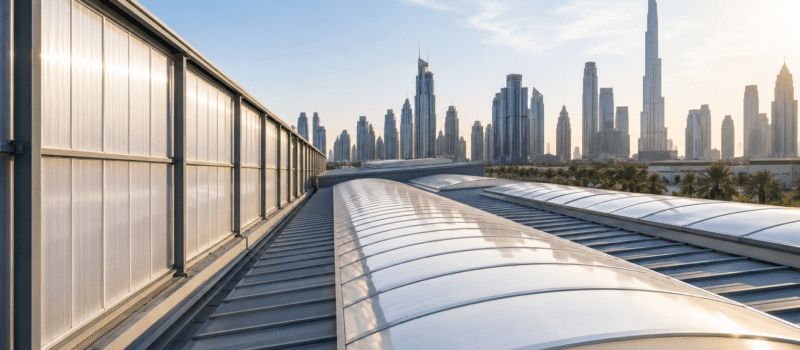
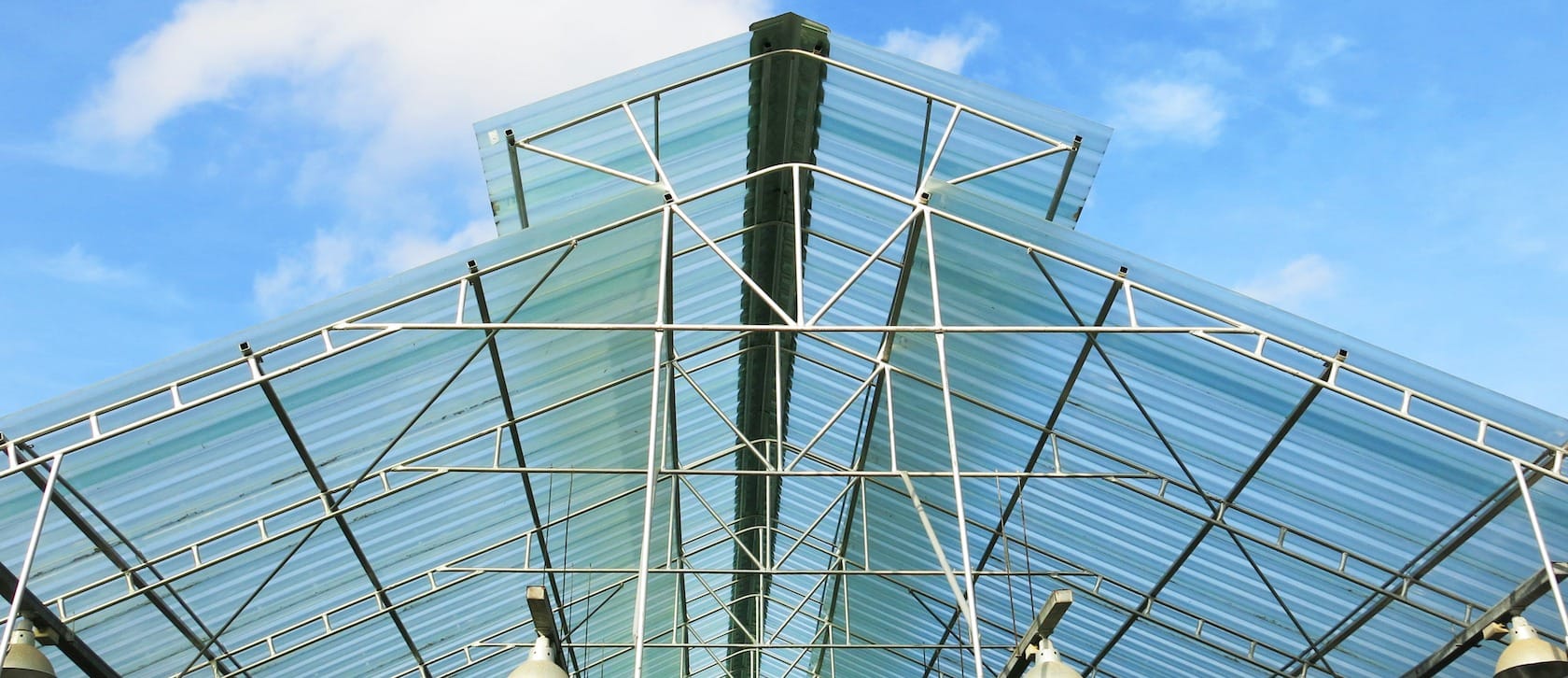
1. GRP Roofing and Rooflights
Glass-reinforced plastic is an excellent roofing material because it:
- Allows controlled light transmission
- Resists corrosion and UV damage
- Maintains rigidity over large spans
- Can be colour-tinted or clear
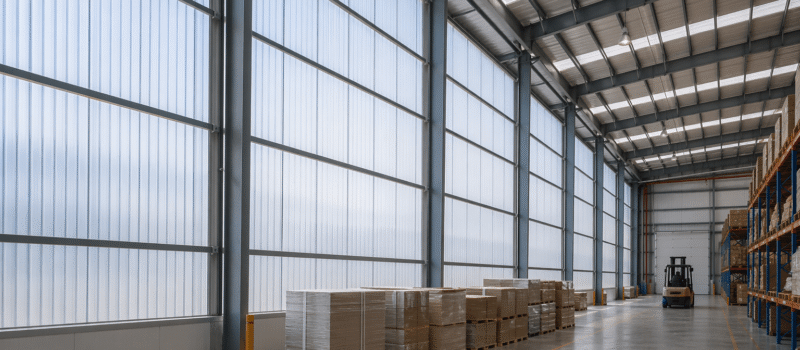
GRP rooflights are commonly used in:
- Warehouses
- Industrial units
- Agricultural buildings
- Home extensions
- Carports and verandas
2. Cladding and Facade Panels
GRP panels can mimic materials like metal, stone, or timber while offering:
- Lower maintenance
- Lower weight
- Improved weather resistance
This makes them ideal for modern and high-performance building envelopes.
3. Domes, Canopies, and Architectural Features
GRP can be moulded into complex geometries, enabling cost-effective production of:
- Decorative facades
- Entrance canopies
- Outdoor shelters
- Custom architectural shapes
Industrial and Commercial Applications
1. Chemical and Industrial Facilities
GRP’s chemical resistance makes it ideal for:
- Tanks
- Piping systems
- Ventilation ducts
- Gratings
It withstands acids, alkalis, and saline environments far better than metals.
2. Marine Industry
Because GRP is lightweight, corrosion-proof, and durable, it’s widely used for:
- Boat hulls
- Marine decking
- Dock panels
3. Transport and Automotive
GRP is found in:
- Truck panels
- Coach bodies
- Caravan shells
- Aerospace components
It reduces vehicle weight while maintaining strength, improving fuel efficiency and durability.
Advantages of GRP
If you’re evaluating composite materials, the benefits of GRP are substantial:
- Lightweight but extremely strong
- Corrosion-resistant in harsh environments
- UV-stable, especially with premium resin systems
- Versatile in shaping and design
- Non-conductive for electrical applications
- Long service life (20–40+ years)
- Low maintenance compared to wood or metal
Limitations of GRP
No material is perfect. GRP has a few considerations:
1. Brittle Under Severe Impact
While strong, GRP can crack under extreme force, unlike polycarbonate, which is virtually unbreakable.
2. Surface Gelcoat Can Fade Over Time
Lower-quality GRP may show signs of weathering without UV-protection layers.
3. Higher Cost Than Some Plastics
The manufacturing process is more labour-intensive than PVC or basic plastic products.
GRP vs Polycarbonate: Which Is Better?
For outdoor structures like sheds, canopies, and roofing, GRP and polycarbonate are often compared.
GRP Strengths:
- Excellent chemical resistance
- Good rigidity
- Lower thermal expansion
- Tested long-term performance in industrial environments
Polycarbonate Strengths (DOMER’s core material):
- Impact resistance 200–250× greater than glass
- Higher clarity / transparency
- Better for large, clear roofing panels
- Superior fire ratings (in many formulations)
- Virtually unbreakable
This is why DOMER sheds and outdoor structures primarily use 10% translucent polycarbonate, delivering exceptional strength and natural daylight transmission while maintaining privacy.
GRP remains an excellent choice for industrial-grade roofing sheets, skylights, and corrosion-resistant panels, but polycarbonate leads where clarity and impact resistance are a priority.
Future Outlook: Why GRP Is Still Growing in Popularity
As industries move toward materials that offer:
- Longevity
- Sustainability
- Lower maintenance
- Resistance to harsh environments
GRP continues to see growing demand.
Innovation in resin technology and automated moulding processes also contributes to:
- Better UV performance
- Higher mechanical strength
- Smoother finishes
- Larger, more complex forms
With its proven track record, GRP remains one of the most important composite materials in modern construction and design.
How GRP Performs in Real-World Environments
To truly understand the value of GRP, it’s worth looking at how the material behaves in challenging, real-world conditions. This is where the technical benefits of composite engineering translate into practical, long-term performance.
Performance in High-UV Environments
GRP panels, especially premium-grade sheets used in roofing and skylights, are engineered with UV-inhibiting additives that slow degradation. This protects:
- Colour stability
- Mechanical strength
- Surface finish
In contrast, traditional plastics without UV additives tend to yellow or become brittle. GRP systems designed for industrial roofing offer predictable performance in strong sunlight over decades. This reliability is a major reason GRP rooflights remain standard in factories, warehouses, and agricultural buildings.
Moisture and Humidity Resistance
Because GRP contains no metal components and does not absorb water, it avoids problems like:
- Rot
- Rust
- Swelling
- Delamination
This is particularly important in:
- Coastal regions
- Agricultural environments
- High-moisture manufacturing facilities
- Outdoor applications with year-round exposure
For homeowners or commercial property owners, this moisture resistance translates into fewer repairs and a longer replacement cycle.
Sustainability Considerations for GRP
Sustainability is becoming a driving force in material selection. While GRP is not as easily recyclable as metals, it holds environmental advantages due to its long service life and low maintenance requirements.
Longevity = Reduced Environmental Impact
The durability of GRP significantly reduces the frequency of:
- Replacement
- Manufacturing cycles
- Transportation emissions
- Installation labour
When a material lasts 2–4 decades with minimal maintenance, its overall carbon footprint reduces compared to cheaper materials that require frequent replacement.
Increasing Innovation in GRP Recycling
The composites industry is actively developing ways to recycle GRP more efficiently. Today, GRP can be:
- Ground into filler material for construction
- Used as a reinforcement in cement production
- Repurposed into secondary engineering products
While not perfect, these innovations demonstrate meaningful progress toward a circular materials economy.
Customisation Options With GRP
Because GRP is moulded during manufacturing, it offers exceptional customization. This is why architects, industrial designers, and manufacturers appreciate the design freedom composite materials provide.
Colours and Tints
GRP can be produced in:
- Opaque finishes
- Translucent shades
- Full-colour options
- Light-diffusing tints for rooflights
This flexibility allows designers to control both aesthetics and functional light transmission.
Complex Shapes and Design Freedom
Unlike metal sheets or rigid plastics, GRP can be formed into:
- Curved panels
- Corrugated profiles
- Textured surfaces
- Custom moulded components
This makes it a preferred choice for architectural facades and decorative structures that require unique geometry.
Maintenance and Care for GRP Products
One of the reasons GRP is so popular in demanding industries is the minimal maintenance it requires. Still, proper care ensures maximum lifespan.
Cleaning
GRP surfaces can be cleaned with:
- Mild soap solutions
- Soft brushes
- Low-pressure water
Avoiding abrasive chemicals helps preserve the gelcoat finish.
Inspection
Although rare, hairline cracks or surface wear should be inspected, especially for load-bearing applications like walkways or platforms. When identified early, repairs are straightforward and inexpensive.
When GRP Is the Best Choice
GRP outperforms metals and other plastics in environments where corrosion, moisture, or chemical exposure are major concerns. It also excels when:
- Weight reduction is essential
- Structural rigidity is required
- Long-term outdoor durability is a priority
- Complex shape moulding is needed
This is why industries such as marine, transportation, and industrial engineering rely heavily on GRP.
Conclusion: Why Understanding GRP Matters
GRP, Glass-Reinforced Plastic, is a versatile, high-performance composite material used everywhere from architecture to marine engineering. Its strength, weather resistance, chemical durability, and flexibility make it invaluable for outdoor structures, roofing systems, and industrial environments.
While DOMER uses advanced polycarbonate as its flagship material for sheds and outdoor solutions, GRP remains a powerful alternative where rigidity and chemical resistance are critical.
By understanding the meaning of GRP, how it performs, and where it excels, homeowners and professionals can make better decisions when specifying materials for long-lasting structures.