

Polycarbonate Roofing
In modern architecture, roofing systems are no longer limited to basic protection. They now play a central role in energy efficiency, daylighting, and overall building performance. As a result, material selection has become increasingly important for architects, engineers, and developers.
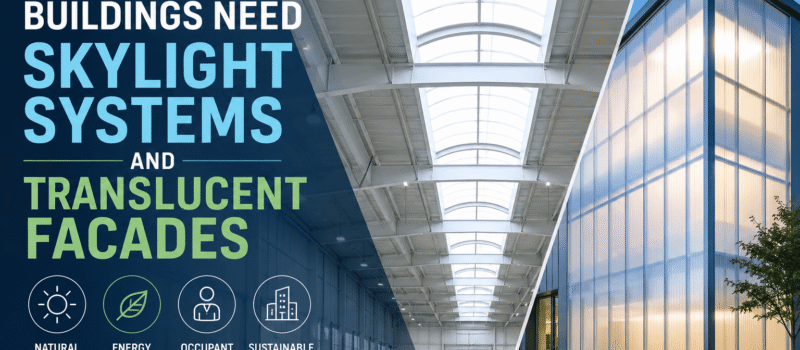
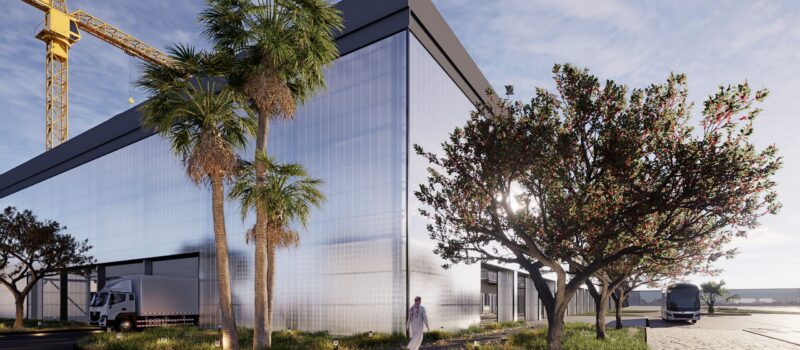
Among the most versatile materials available today is polycarbonate roofing. Known for its strength, light transmission, and adaptability, it has become a preferred solution for commercial, industrial, and infrastructure projects. From large-span warehouses to architecturally complex facades, polycarbonate continues to redefine how buildings interact with natural light.
This article provides a comprehensive overview of polycarbonate roofing, including its advantages, limitations, and design options. In addition, it highlights how DOMER Industries’ engineered systems support high-performance applications in demanding environments.
What Is Polycarbonate Roofing?
Definition and Composition
Polycarbonate is a high-performance thermoplastic polymer that combines exceptional impact resistance with optical clarity. Compared to traditional glazing materials, it offers a unique balance between strength and transparency.
In practical terms, polycarbonate is:
- Up to 200 times stronger than glass
- Approximately half the weight of glass
- Highly resistant to impact and breakage
Polycarbonate roofing panels are produced through an extrusion process. This allows them to be manufactured in several configurations, each suited to specific applications:
- Solid sheets, which provide glass-like clarity
- Multiwall panels, which offer improved insulation
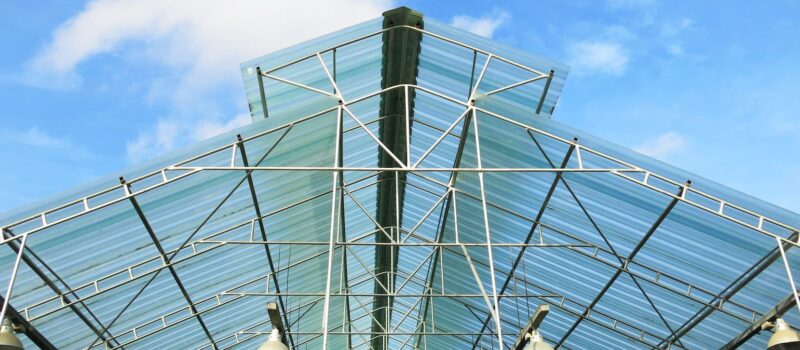
- Corrugated sheets, which enhance structural strength and water drainage
Because of this versatility, polycarbonate roofing can be adapted to a wide range of architectural and industrial requirements.
Polycarbonate Roofing vs Traditional Materials
When evaluating polycarbonate roofing, it is important to compare it with commonly used materials.
Glass is often chosen for its clarity, yet it is heavy, fragile, and requires reinforced support systems. Metal roofing is durable, but it blocks natural light and can contribute to heat buildup inside buildings. Fiberglass is lightweight, but it tends to degrade, discolor, and lose strength over time.
Polycarbonate roofing offers a balanced alternative. It combines:
- Transparency similar to glass
- Durability that exceeds most plastics
- Ease of installation due to its lightweight nature
For this reason, it is increasingly used in projects where natural light and structural efficiency are equally important.
Key Advantages of Polycarbonate Roofing
Lightweight Yet Structurally Efficient
One of the main advantages of polycarbonate roofing is its high strength-to-weight ratio. Because the material is significantly lighter than glass, it reduces the load on supporting structures.
This leads to several practical benefits. Installation becomes faster and more efficient, transportation is simplified, and structural requirements can be optimized. At the same time, polycarbonate maintains excellent resistance to wind loads, mechanical impact, and environmental stress.
As a result, it is particularly suitable for large-span roofing systems and projects where structural efficiency is a priority.
High Light Transmission and Daylighting
Polycarbonate roofing is widely used for its ability to transmit natural light. Depending on the panel type and finish, light transmission can reach up to 90 percent.
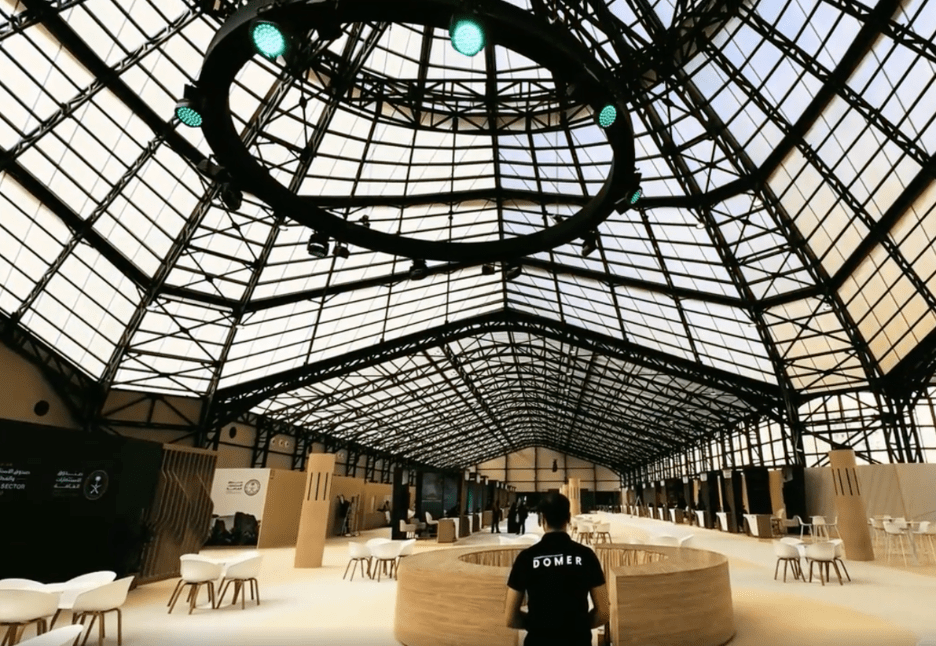
This creates brighter interior spaces while reducing the need for artificial lighting during the day. In addition, natural daylight improves visual comfort and can enhance productivity in work environments.
DOMER Industries develops polycarbonate systems that optimize light diffusion. Instead of allowing direct, harsh sunlight, these systems distribute light evenly. As a result, glare is minimized while maintaining high illumination levels.
UV and Weather Resistance
Exposure to sunlight can degrade many materials over time. However, high-quality polycarbonate roofing panels are manufactured with UV-protective layers.
These layers prevent:
- Yellowing and discoloration
- Loss of mechanical strength
- Surface degradation
DOMER Industries uses UV-stabilized materials that are designed to perform in environments with intense solar radiation and extreme weather conditions. Therefore, polycarbonate roofing remains reliable over long periods of outdoor use.
Thermal and Acoustic Performance
Multiwall polycarbonate panels include internal air chambers that improve thermal insulation. These air pockets reduce heat transfer, helping to maintain more stable indoor temperatures.
In addition, polycarbonate provides moderate acoustic insulation. While it does not fully block external noise, it can reduce sound transmission compared to single-layer materials.
These properties make polycarbonate roofing suitable for:
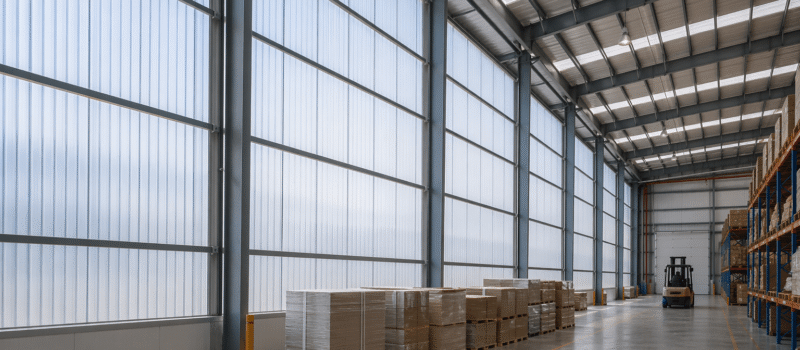
- Warehouses and logistics centers
- Public buildings
- Industrial facilities
Sustainability and Energy Efficiency
Polycarbonate roofing supports sustainable building practices. Because it allows natural light into interior spaces, it reduces reliance on artificial lighting.
As a result:
- Energy consumption decreases
- Operational costs are reduced
- Carbon footprint is lowered
Furthermore, polycarbonate is recyclable and has a long service life. These factors contribute to environmentally responsible construction and align with modern sustainability standards.
Performance of Polycarbonate Roofing in Hot Climates
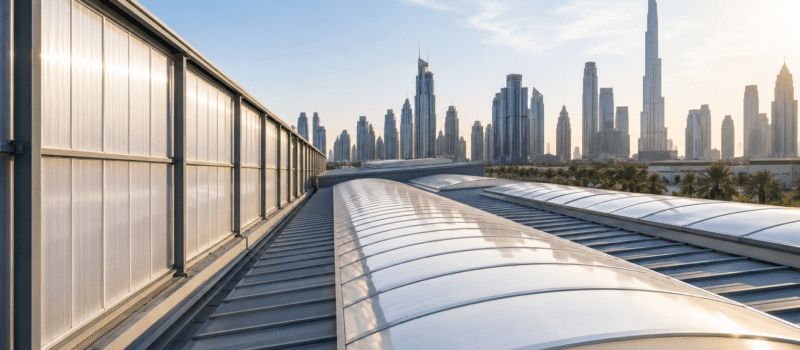
In regions with high solar exposure, such as the Middle East, roofing materials must withstand extreme temperatures and continuous UV radiation.
Polycarbonate roofing performs well in these conditions when properly specified and installed. Several design considerations are essential.
First, selecting the right panel type is important. Opal or tinted panels can reduce glare and limit heat gain while still allowing sufficient daylight. Second, incorporating ventilation into the roof design helps improve airflow and reduce heat buildup. Third, advanced coatings can reflect infrared radiation, further enhancing thermal performance.
Finally, thermal expansion must be considered. Because polycarbonate expands with temperature changes, installation systems must allow controlled movement.
DOMER Industries develops systems that account for all these factors. As a result, their polycarbonate roofing solutions maintain performance and durability even in high-temperature environments.
Cost and Long-Term Value
At first glance, polycarbonate roofing may appear more expensive than basic materials such as PVC or standard metal sheets. However, a long-term perspective reveals significant advantages.
The material’s lightweight nature reduces structural requirements, which can lower construction costs. In addition, faster installation reduces labor time. Over time, energy savings from improved daylighting further enhance cost efficiency.
Another important factor is durability. Polycarbonate roofing systems have a long lifespan and require minimal maintenance. Therefore, they reduce the need for frequent repairs or replacement.
When evaluated over the lifecycle of a building, polycarbonate roofing often delivers a strong return on investment.
Potential Drawbacks of Polycarbonate Roofing
Surface Sensitivity
Polycarbonate is softer than glass, which means it is more susceptible to scratching. This can affect its appearance if not properly managed.
However, modern panels often include protective coatings. In addition, careful handling and proper cleaning practices help maintain surface quality over time.
Thermal Expansion
As a thermoplastic material, polycarbonate expands and contracts with temperature changes. If this is not considered during installation, it can lead to stress or deformation.
To avoid this issue, it is important to:
- Allow expansion gaps
- Use appropriate fixing systems
- Follow manufacturer guidelines
Noise from Rainfall
In certain conditions, polycarbonate roofing can produce more noise during rainfall compared to heavier materials.
This effect can be reduced by:
- Using thicker panels
- Choosing multiwall systems
- Incorporating acoustic design strategies
Initial Investment
High-performance polycarbonate systems may require a higher initial investment. However, this is typically offset by long-term benefits such as durability, energy savings, and reduced maintenance.
Polycarbonate Roofing Design Options
Polycarbonate roofing is available in several configurations, each suited to different applications.
Solid Polycarbonate Sheets
Solid sheets provide a clear, glass-like appearance combined with high impact resistance. They are commonly used in skylights, canopies, and architectural facades.
Multiwall Polycarbonate Panels
Multiwall panels feature internal air chambers that improve insulation and reduce weight. They are widely used in industrial and commercial roofing applications.
Corrugated Polycarbonate Sheets
Corrugated sheets are designed for strength and efficient water drainage. They are often used in industrial and agricultural structures where durability and cost efficiency are important.
Color and Light Control Options
Polycarbonate panels are available in a range of finishes. Clear panels provide maximum light transmission, while opal panels diffuse light for greater comfort. Bronze or grey panels reduce glare and limit solar heat gain.
Selecting the appropriate finish allows designers to balance light transmission, thermal performance, and visual comfort.
Architectural Flexibility
One of the key advantages of polycarbonate is its flexibility. It can be curved, bent, or integrated into complex shapes.
This allows architects to design innovative roofing systems that combine functionality with visual impact.
Applications of Polycarbonate Roofing
Polycarbonate roofing is used across a wide range of industries.
In commercial buildings, it enhances daylighting in spaces such as shopping centers and offices. In industrial facilities, it improves visibility and reduces energy costs. In agriculture, it supports plant growth through controlled light diffusion. In infrastructure projects, it provides durable and weather-resistant coverage.
Because of its versatility, polycarbonate roofing continues to expand into new applications.
Installation and Maintenance
Installation Considerations
Proper installation is essential to ensure long-term performance. Key factors include structural compatibility, drainage design, and allowance for thermal expansion.
Using engineered systems simplifies this process and reduces the risk of installation errors.
Maintenance Practices
Polycarbonate roofing requires relatively low maintenance. Cleaning should be done with mild soap and water, and abrasive materials should be avoided.
Regular inspections of seals and fixings help ensure continued performance.
Buyer’s Guide for Polycarbonate Roofing
When selecting polycarbonate roofing, several factors should be considered.
These include panel type, thickness, light transmission, thermal performance, and environmental conditions. Each project has unique requirements, and proper specification is essential.
DOMER Industries provides technical support and system guidance to ensure that projects achieve optimal results.
Common Mistakes to Avoid
Common mistakes include improper fastening, insufficient expansion allowance, and incorrect slope design. These issues can reduce performance and lead to premature failure.
Using a complete, engineered system helps avoid these problems.
Why DOMER Industries
DOMER Industries specializes in engineered polycarbonate roofing and daylighting systems designed for professional applications.
Its solutions offer:
- High-performance materials
- UV-resistant panels
- Precision-engineered systems
- Technical expertise and support
These qualities make DOMER a reliable partner for complex architectural projects.
Conclusion
Polycarbonate roofing provides a powerful combination of strength, light transmission, and design flexibility. It meets the demands of modern construction while supporting energy efficiency and sustainability.
When properly specified and installed, it delivers long-term performance across a wide range of applications.
With DOMER Industries’ engineered systems, professionals can confidently integrate polycarbonate roofing into projects that require durability, efficiency, and architectural quality.